LanguageAvenue.comlearn · teach · study languages
You can do it!
Skip to the lesson
👋 Language Avenue is back: new, faster and easier to read on your phone.
Language Avenuelearn · teach · study languages
LearnTeachStudy
BeginnerA1–A2116 lessons
  • Reading
  • Vocabulary
  • Grammar
  • Speakingcoming soon
  • Pronunciation
  • Listeningcoming soon
  • Spelling
  • Writingcoming soon
IntermediateB1–B2155 lessons
  • Reading
  • Vocabulary
  • Grammar
  • Speakingcoming soon
  • Pronunciation
  • Listeningcoming soon
  • Spellingcoming soon
  • Writingcoming soon
AdvancedC1–C254 lessons
  • Reading
  • Vocabulary
  • Grammar
  • Speakingcoming soon
  • Pronunciationcoming soon
  • Listeningcoming soon
  • Spellingcoming soon
  • Writingcoming soon
Test your levelFree · 10 minutes →

★ Most read

  1. Gerunds and Infinitives: Exercise 150k reads
  2. Long Vowel A with Silent E36k reads
  3. Gerunds and Infinitives: Exercise 236k reads
Learn English, step by stepAll of Learn →
Teaching Ideas40 articles
  • Language Games
  • English Tongue Twisters
Teaching Reading2 articles

Reading is a very important skill that learners need to acquire in order to be successful in school. In this section, various methods, strategies and techniques of teaching reading are presented.

Teaching Writing3 articles

This section is devoted to various methods teaching English writing (including written academic English [AE]), characteristics of L2 writing and rhetoric, error correction, and many other issues.

Teaching Pronunciation1 article

Resources for teaching the sounds of English: an IPA chart of all 40 sounds of American English, minimal pairs, tongue twisters for articulation, and ideas for the classroom.

★ Most read

  1. Sounds SH and S56k reads
  2. Sound TH56k reads
  3. Sounds SH and CH30k reads
Ideas and games for your classroomAll of Teach →
General Linguistics11 articles
  • Human Language
  • Formulaic Language
  • Grammar and Syntax
  • Various Languages
Sociolinguistics17 articles
  • Language Variation
  • Language Policy
Psycholinguistics8 articles
  • Language Acquisition
  • Language and Thought
  • Lexical Access

★ Most read

  1. Language Variation46k reads
  2. Morphemes in English19k reads
  3. Individual vs. Societal Multilingualism14k reads
How languages workAll of Study →
Learn
Test your level
BeginnerA1–A2
ReadingVocabularyGrammarSpeakingsoonPronunciationListeningsoonSpellingWritingsoon
IntermediateB1–B2
ReadingVocabularyGrammarSpeakingsoonPronunciationListeningsoonSpellingsoonWritingsoon
AdvancedC1–C2
ReadingVocabularyGrammarSpeakingsoonPronunciationsoonListeningsoonSpellingsoonWritingsoon
Teach
Teaching Ideas
Language GamesEnglish Tongue Twisters
Teaching Reading
Teaching Writing
Teaching Pronunciation
Study
General Linguistics
Human LanguageFormulaic LanguageGrammar and SyntaxVarious Languages
Sociolinguistics
Language VariationLanguage Policy
Psycholinguistics
Language AcquisitionLanguage and ThoughtLexical Access
My Avenue About Us
LearnVocabularyIntermediate/images/vocabulary/wc-st-01.jpg?v=tovetlIntermediate VocabularyFrequently Confused Words
CAFÉBIBLIOTECAÉCOLEКНИГИBLUMENBUS
Learn›English›Intermediate›Vocabulary
Vocabulary

Say and Tell (Intermediate)

See when to use each word, then check yourself.

  • Published July 2017
  • 2,616 reads
Intermediate · B1–B2TeensAdults
The rule

We say words. We tell someone something: after tell, the person comes right away.

coral = the form we learnunderline = the word that decides it

Pattern

WordPatternExample
saysay + the wordsShe said hello.
saysay something to someoneHe said goodbye to me.
telltell + someone + somethingShe told me the news.
telltell + someone + to do somethingHe told us to sit down.
telltell + a story, a joke, the truthTell me a story.

say + the words

Use say when you give the words someone said: in quotation marks, or with (that).

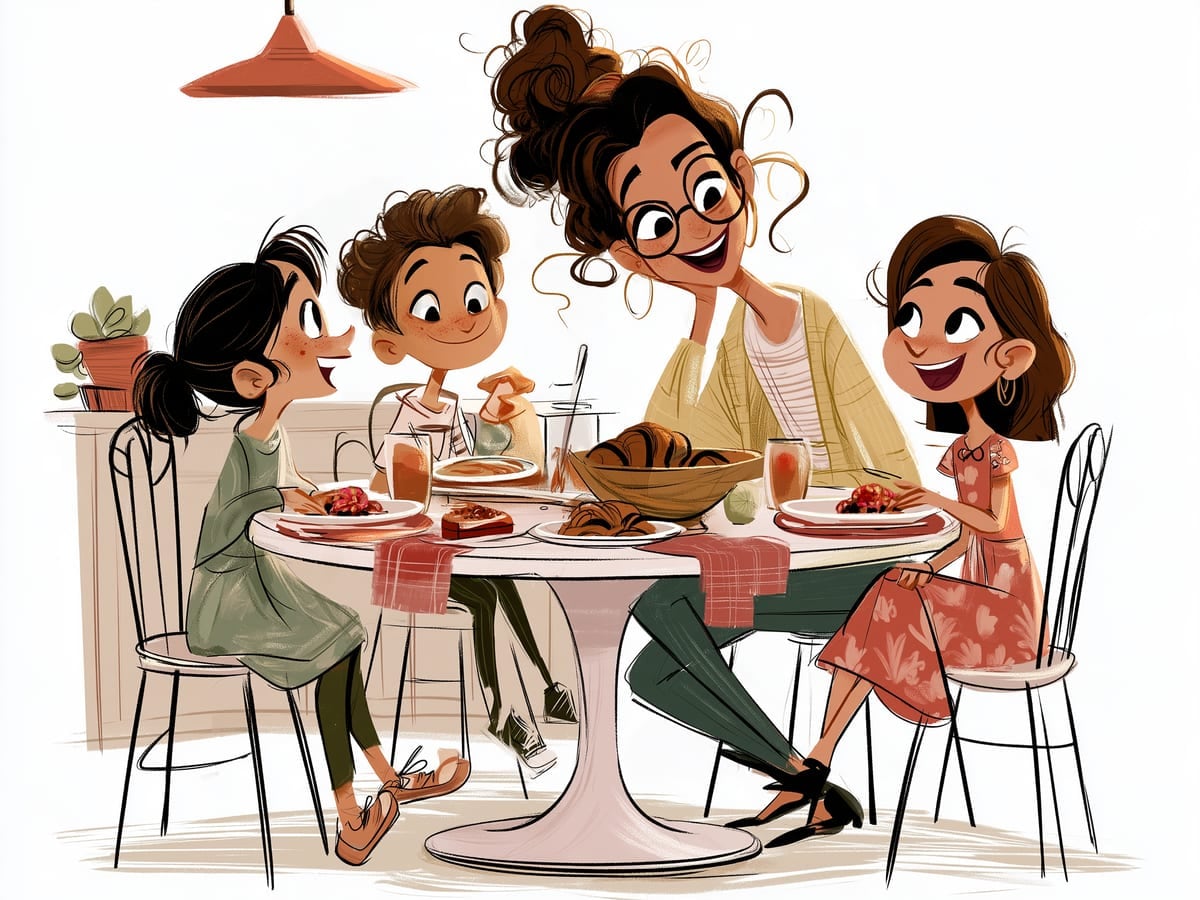
  • Mom said, “I'm very happy.”

    Mom said, “I'm very happy.”

  • The baby said her first word.

    The baby said her first word.

  • She said goodbye and left.

    She said goodbye and left.

  • He said (that) he was tired.

    He said (that) he was tired.

  • What did you say?

    What did you say?

  • How do you say “thank you” in Japanese?

    How do you say “thank you” in Japanese?

say something to someone

If you name the person after say, put to before them.
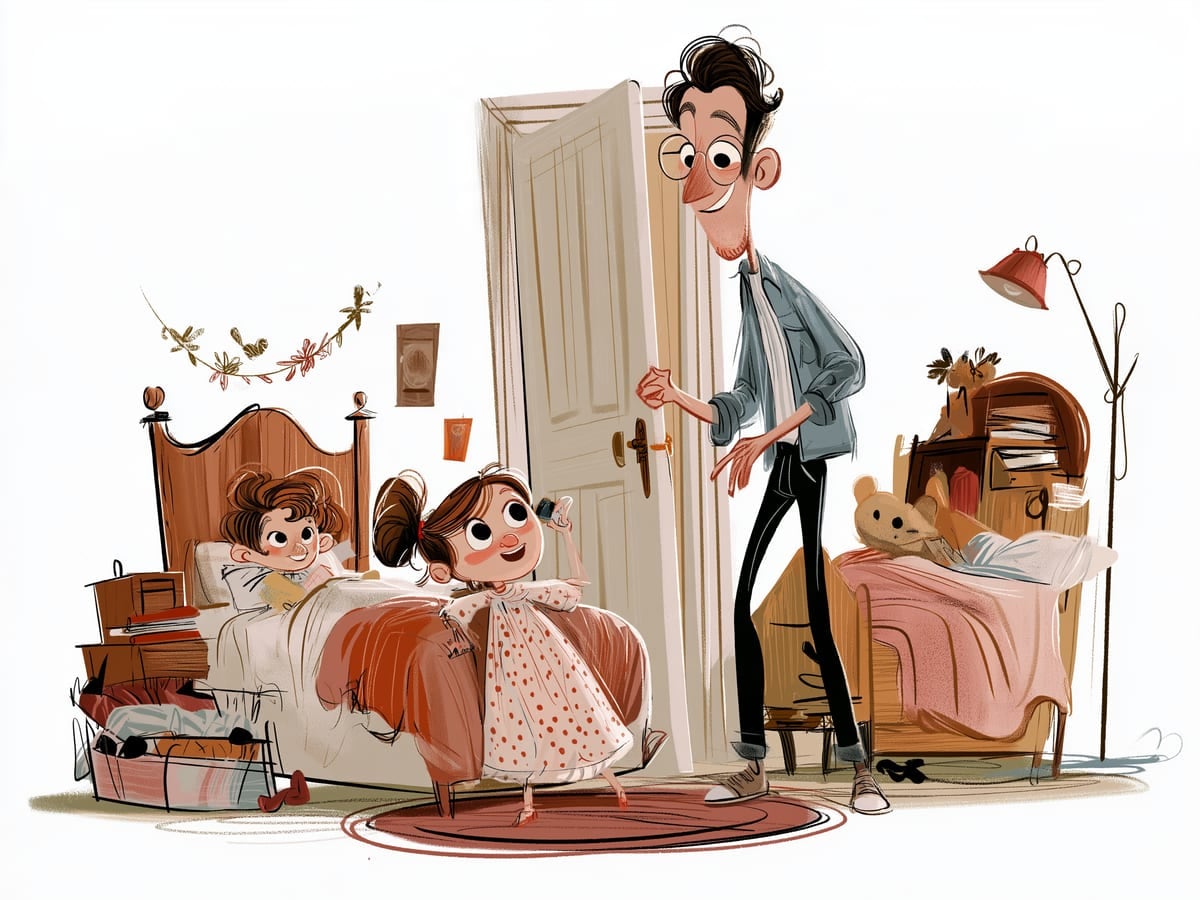
  • Dad said good night to the children.

    Dad said good night to the children.

  • What did the teacher say to you?

    What did the teacher say to you?

  • She said something to me in Spanish.

    She said something to me in Spanish.

  • Don't say anything to Tom. It's a surprise.
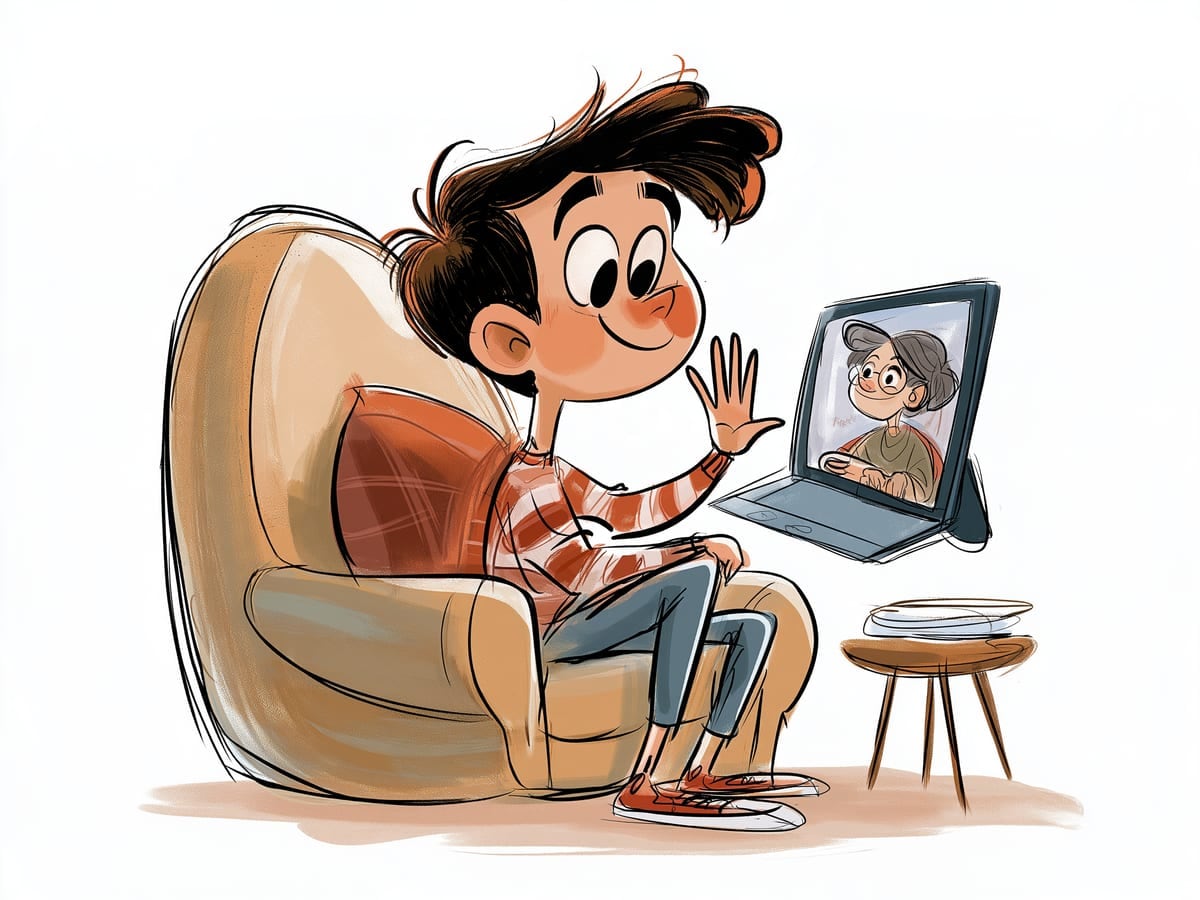
    Don't say anything to Tom. It's a surprise.

  • Say hello to your grandma for me.

    Say hello to your grandma for me.

tell + someone + something

After tell, the person comes right away: tell me, tell her, tell the class.

  • Can you tell me the way to the station?

    Can you tell me the way to the station?

  • She told me the news.

    She told me the news.

  • Mom told us (that) she was happy.

    Mom told us (that) she was happy.

  • Tell me about your new school.

    Tell me about your new school.

  • He told the teacher his name.

    He told the teacher his name.

tell + someone + to do something

We use tell for orders and advice: tell someone (not) to do something.
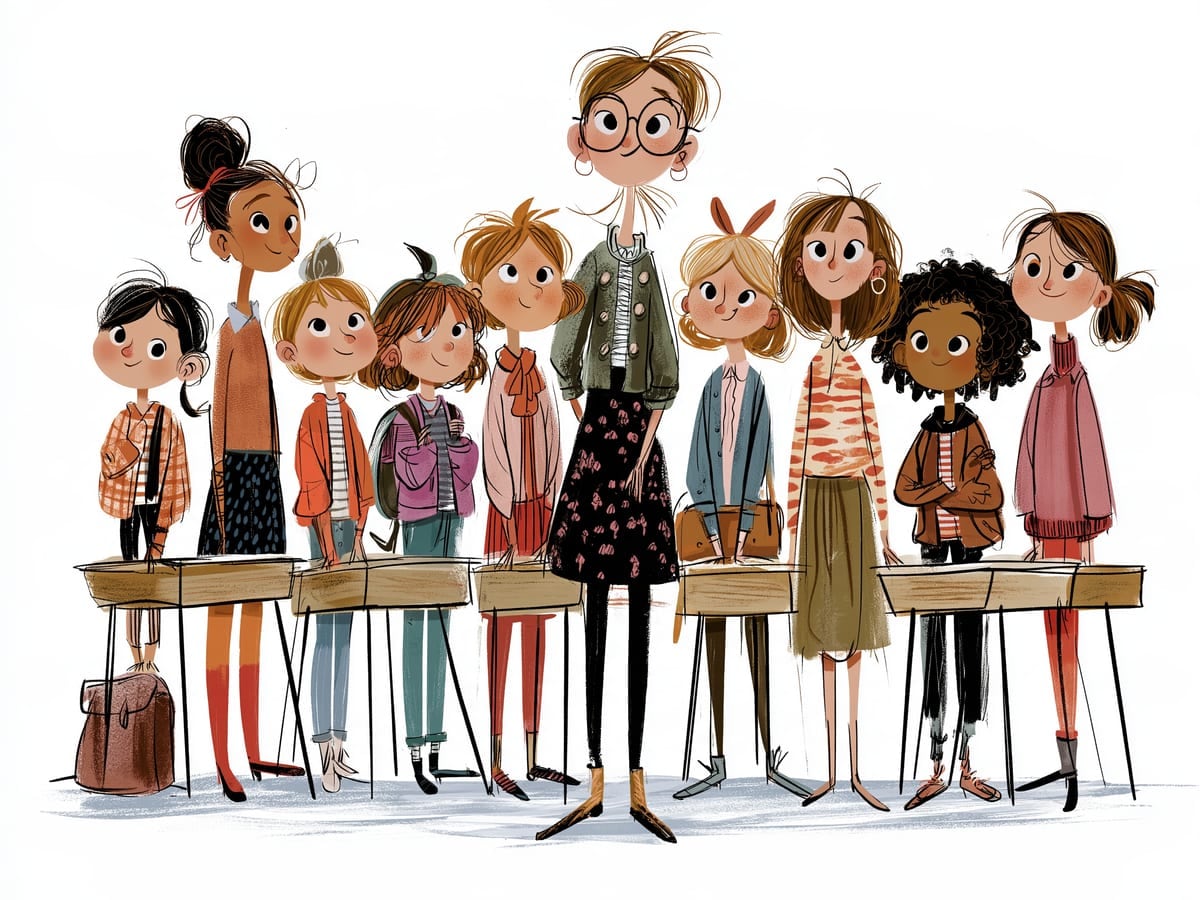
  • The teacher told us to stand up.

    The teacher told us to stand up.

  • Dad told the kids to brush their teeth.

    Dad told the kids to brush their teeth.

  • The doctor told him to stay in bed.

    The doctor told him to stay in bed.

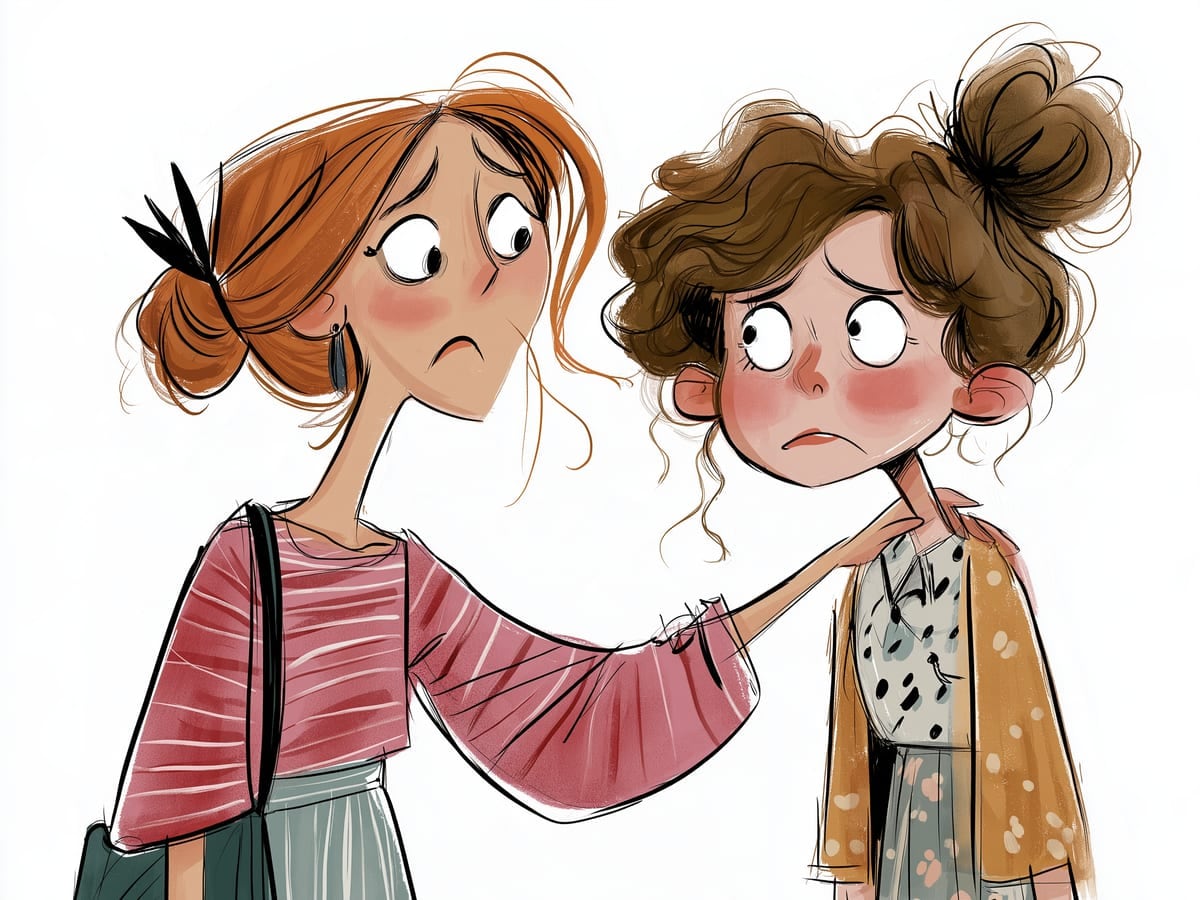
  • She told me not to worry.

    She told me not to worry.

  • Please tell them to wait outside.

    Please tell them to wait outside.

tell + a story, a joke, the truth

We tell a story, a joke, a lie and the truth. Tell the time = read a clock. Tell apart = see the difference.

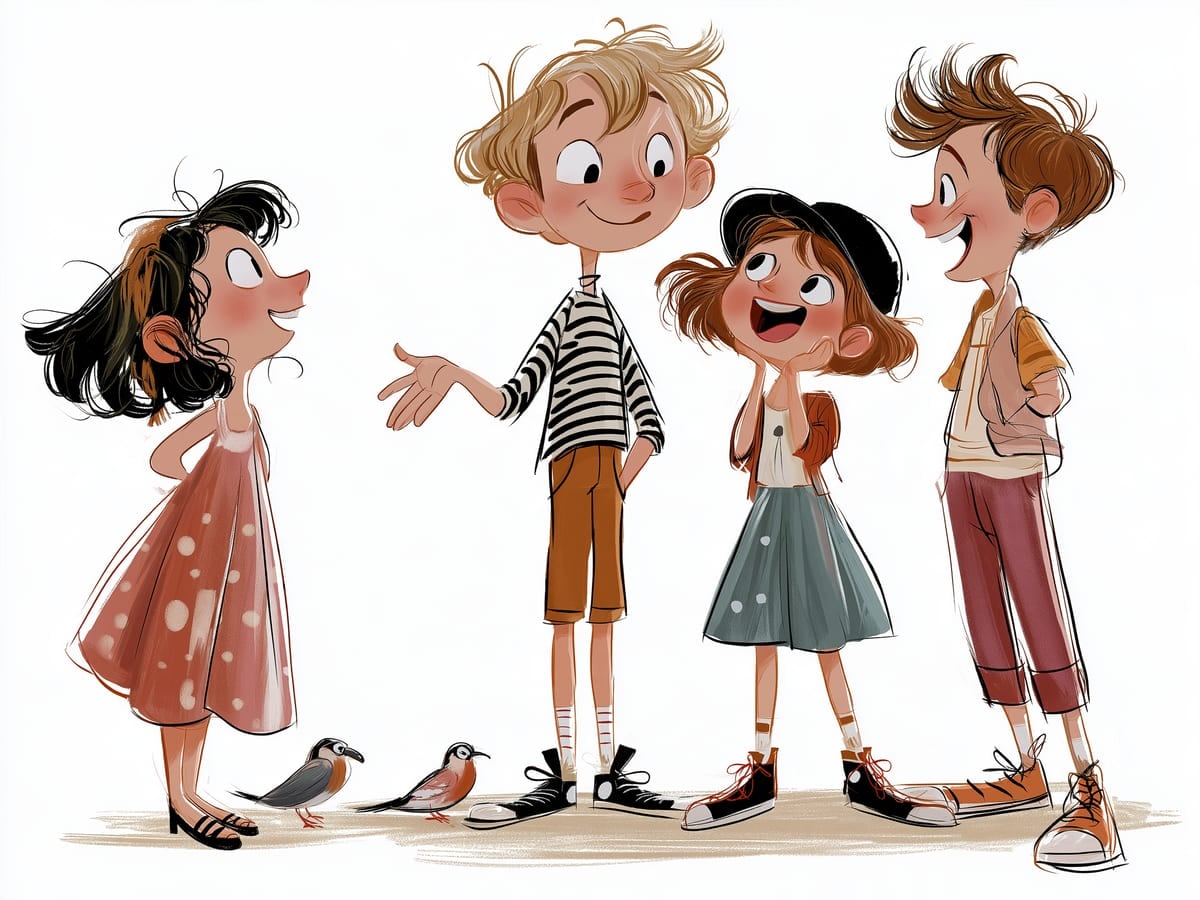
  • Grandpa told us a story.

    Grandpa told us a story.

  • My brother loves telling jokes.

    My brother loves telling jokes.

  • Can your little sister tell the time?
    Can your little sister tell the time?

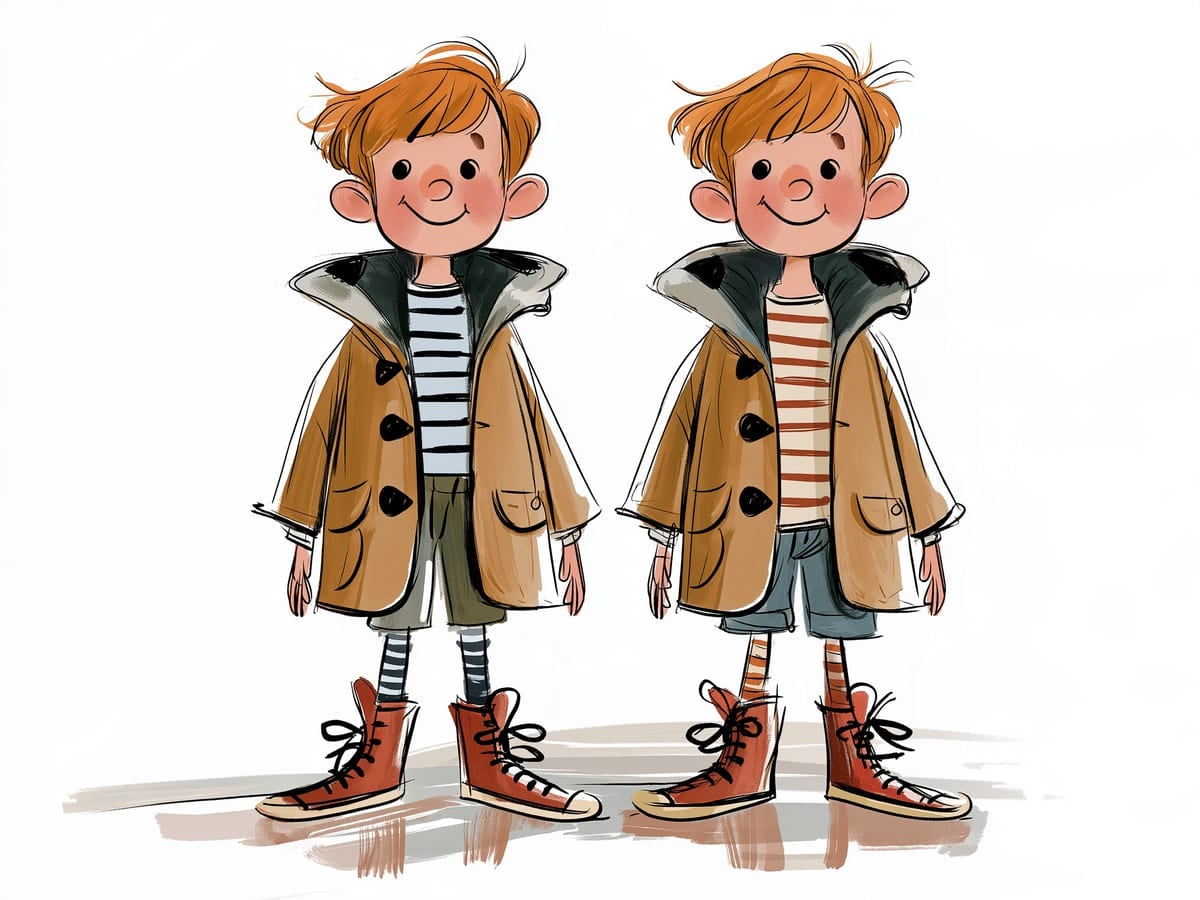
  • I can't tell the twins apart.

    I can't tell the twins apart.

  • Always tell the truth.

    Always tell the truth.

💡 Remember

  • Tell is followed by the person: tell me, tell her, tell the class.
  • With say, the person comes after to: say goodbye to them.
  • For orders and advice, use tell + someone + to: she told me to wait.
  • Stories, jokes, the truth and the time go with tell.

Check yourself

Choose the right word. You'll see why after each answer.

  1. Please ___ me your name.

    ✓ Please tell me your name. The person (me) comes right after the verb, so we use tell.

  2. She ___ goodbye and left.

    ✓ She said goodbye and left. We give the word itself: say goodbye.

  3. The coach ___ us to run faster.

    ✓ The coach told us to run faster. An order: tell + someone + to.

  4. Grandma ___ us a story every night.

    ✓ Grandma tells us a story every night. We tell someone a story.

  5. What did he ___ about the trip?

    ✓ What did he say about the trip? No listener comes after the verb, so we use say.

More phrases with say and tell

Say

  • So you say. (= I’m not sure that’s true.)
  • It goes without saying. (= Everyone knows it.)

Tell

  • tell a story / stories
  • tell a joke / jokes
  • tell a lie / lies
  • tell the truth
  • tell the future (= know what the future will bring)
  • tell the time (= read a clock)
  • tell apart (= see the difference between two things or people)

Practice this

Ready to check what you know? Try these quizzes:

Say or Tell: Exercise 115 questions🖨 Printable→Say or Tell: Exercise 215 questionsOnline only→

Tags:Frequently Confused Words

Share this lesson:
← PreviousMeat and Seafood PictionaryNext →Speak and Talk (Intermediate)
On this page
  • The rule
  • Pattern
  • say + the words
  • say something to someone
  • tell + someone + something
  • tell + someone + to do something
  • tell + a story, a joke, the truth
  • Remember
  • Check yourself
  • More phrases with say and tell

★ Most read

Technology Pictionary (Intermediate)4.2k reads →Make and Do (Intermediate)4.1k reads →Fruit Pictionary (Intermediate)3k reads →Speak and Talk (Intermediate)2.9k reads →Food Pictionary - 1 (Intermediate)2.8k reads →

✨ Newest

Borrow and LendNewNov 2026 →Cooking VerbsNewNov 2026 →Housework VocabularyNewNov 2026 →Speak and Talk (Intermediate)Apr 2022 →Make and Do (Intermediate)Apr 2022 →See all 18 →
LanguageAvenue

Learn, teach and study languages.
Free for everyone, since 2008.

Follow us
on Facebook

Explore

  • Learn English
  • Teach
  • Study linguistics
  • Level test
  • My Avenue

Get to know us

  • About Us
  • Our Values
  • Contact
  • Privacy
  • Terms
CAFÉBIBLIOTECAÉCOLEКНИГИBLUMENBUS

© 2008–2026 Language Avenue

languageavenue.com/learn-english/intermediate-english/intermediate-vocabulary/say-and-tell-intermediate© ELLTA LLC · Free to print for classroom use