LanguageAvenue.comlearn Β· teach Β· study languages
Skip to the lesson
πŸ‘‹ Language Avenue is back: new, faster and easier to read on your phone.
Language Avenuelearn Β· teach Β· study languages
LearnTeachStudy
BeginnerA1–A290 lessons
  • Reading
  • Vocabulary
  • Vocabulary exercises
  • Grammar
  • Grammar exercises
  • Spelling
  • Pronunciation
  • Reading quizzes
IntermediateB1–B278 lessons
  • Reading
  • Vocabulary
  • Vocabulary exercises
  • Grammar
  • Grammar exercises
AdvancedC1–C222 lessons
  • Reading
  • Vocabulary
  • Vocabulary exercises
  • Grammar
  • Grammar exercises

β˜… Most read

  1. Gerunds and Infinitives - 1 (Advanced)50k reads
  2. Long Vowel A with Silent E36k reads
  3. Gerunds and Infinitives - 2 (Advanced)36k reads
Learn English, step by stepAll of Learn β†’
Teaching Ideas38 articles
  • Language Games
  • English Tongue Twisters
Teaching Reading2 articles

Reading is a very important skill that learners need to acquire in order to be successful in school. In this section, various methods, strategies and techniques of teaching reading are presented.

Teaching Writing3 articles

This section is devoted to various methods teaching English writing (including written academic English [AE]), characteristics of L2 writing and rhetoric, error correction, and many other issues.

β˜… Most read

  1. Sounds SH and S56k reads
  2. Sound TH56k reads
  3. Sounds SH and CH30k reads
Ideas and games for your classroomAll of Teach β†’
General Linguistics11 articles
  • Human Language
  • Formulaic Language
  • Grammar and Syntax
  • Various Languages
Sociolinguistics17 articles
  • Language Variation
  • Language Policy
Psycholinguistics8 articles
  • Language Acquisition
  • Language and Thought
  • Lexical Access

β˜… Most read

  1. Language Variation46k reads
  2. Morphemes in English19k reads
  3. Individual vs. Societal Multilingualism14k reads
How languages workAll of Study β†’
Learn
BeginnerA1–A2
ReadingVocabularyVocabulary exercisesGrammarGrammar exercisesSpellingPronunciationReading quizzes
IntermediateB1–B2
ReadingVocabularyVocabulary exercisesGrammarGrammar exercises
AdvancedC1–C2
ReadingVocabularyVocabulary exercisesGrammarGrammar exercises
Teach
Teaching Ideas
Language GamesEnglish Tongue Twisters
Teaching Reading
Teaching Writing
Study
General Linguistics
Human LanguageFormulaic LanguageGrammar and SyntaxVarious Languages
Sociolinguistics
Language VariationLanguage Policy
Psycholinguistics
Language AcquisitionLanguage and ThoughtLexical Access
My Avenue About Us
LearnGrammar ruleBeginner/images/grammar/pron-01.jpg?v=topti5Basic GrammarPronouns
Learnβ€ΊEnglishβ€ΊBeginnerβ€ΊGrammar
Grammar rule

Personal Pronouns

Beginner Β· A1–A2Grammar
  • Published November 2026
  • 0 reads
  • KidsTeensAdults
The rule

Use I, you, he, she, it, we and they in place of a name, so you don't say the name again and again.

coral = the form we learnunderline = the word that decides it

Pattern

Who or what?PronounExample
meII am Anna.
the person I talk toyouYou are kind.
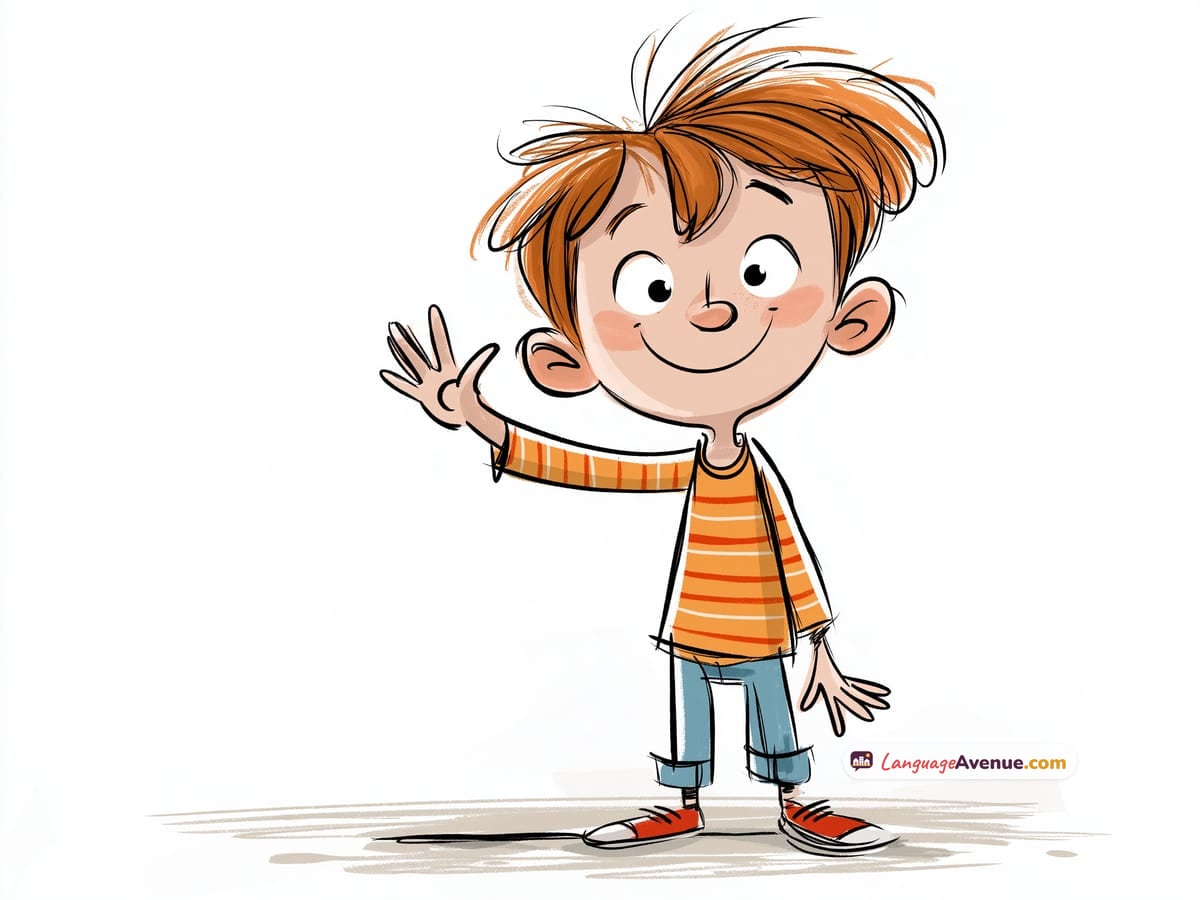
a boy or a manheTom is ten. He likes soccer.
a girl or a womansheMy mom is home. She is cooking.
a thing or an animalitThe dog is big. It is friendly.
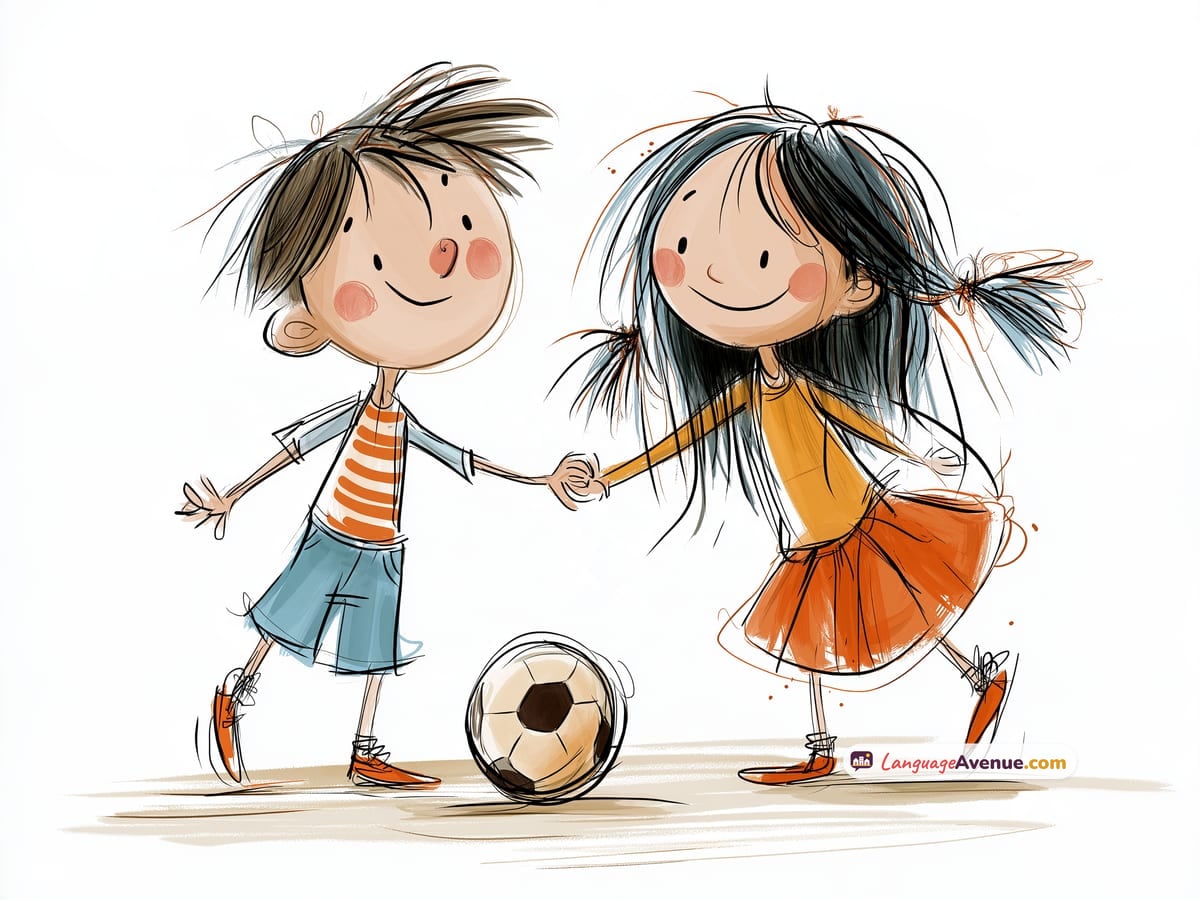
me and other peopleweSam and I are friends. We play together.
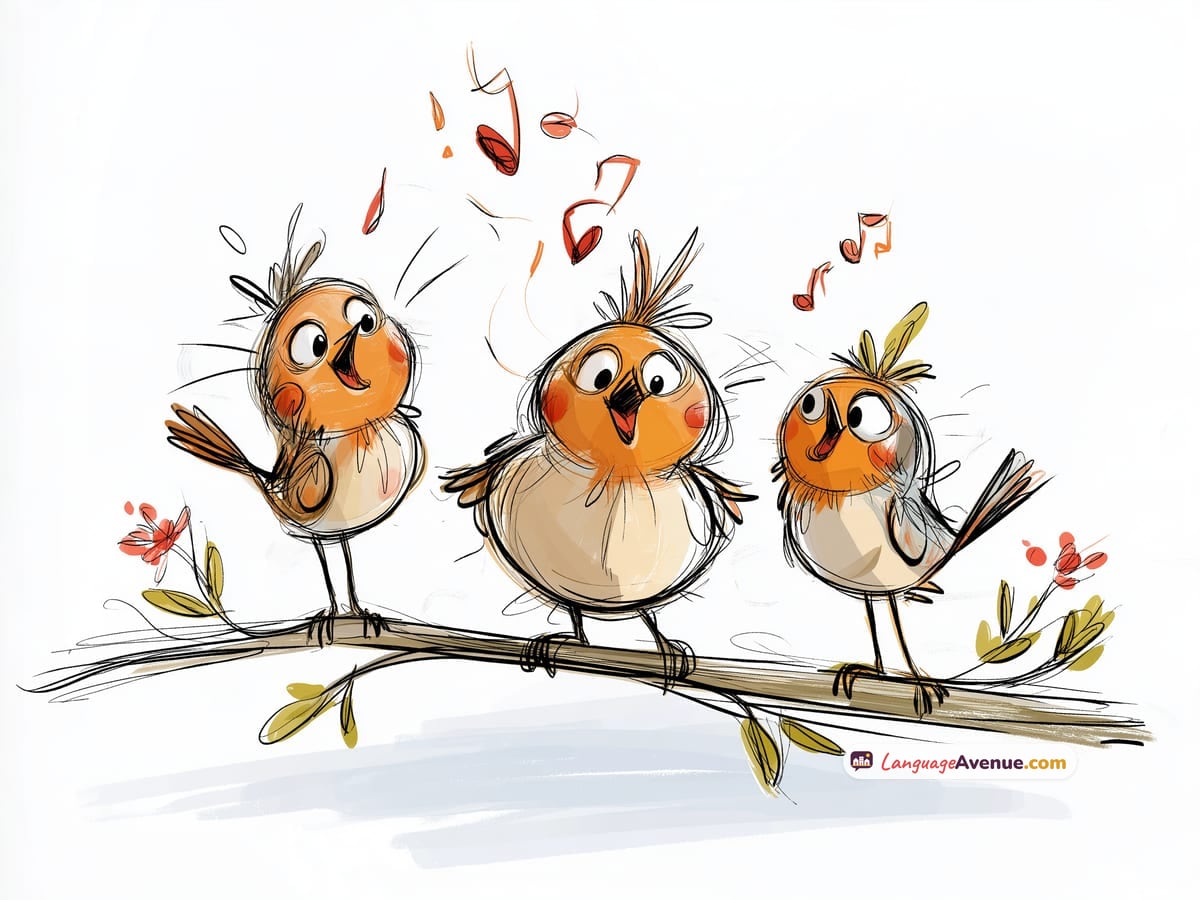
other people or thingstheyThe apples are red. They are sweet.

Examples

  • Tom is my friend. He is ten.

    Tom is my friend. He is ten.

  • Lily is my sister. She likes music.

    Lily is my sister. She likes music.

  • The dog is big. It is friendly.

    The dog is big. It is friendly.

  • Sam and I are friends. We play together.

    Sam and I are friends. We play together.

  • The birds are small. They sing every morning.

    The birds are small. They sing every morning.

  • My grandpa is old. He tells funny stories.

    My grandpa is old. He tells funny stories.

  • I am a student.
  • You are my best friend.
  • The book is new. It is blue.
  • My parents are teachers. They work at a school.

πŸ’‘ Remember

  • A girl or a woman is she; a boy or a man is he.
  • A thing or an animal is it. (We often call our pets he or she, too.)
  • Two or more people or things are they.
  • If you are in the group, use we.
  • I is always a capital letter.

Check yourself

Choose the right word. You'll see why after each answer.

  1. My sister is a doctor. ___ works in a hospital.

    βœ“ My sister is a doctor. She works in a hospital. My sister is a woman, so we use She.

  2. The book is on the table. ___ is red.

    βœ“ The book is on the table. It is red. The book is one thing, so we use It.

  3. Sam and I play soccer. ___ play every day.

    βœ“ Sam and I play soccer. We play every day. Sam and I means me and another person, so we use We.

Practice this

Ready to check what you know? Try this quiz:

Personal Pronouns 115 questions→

Tags:Pronouns

Share this lesson:
← PreviousArticles A and An (Basic)Next β†’Plural Nouns (Basic)
On this page
  • The rule
  • Pattern
  • Examples
  • Remember
  • Check yourself

β˜… Most read

Plural Nouns (Basic)18k reads β†’Articles A and An (Basic)18k reads β†’Verbs Am, Is, Are18k reads β†’Prepositions of Time On, In, At18k reads β†’Sentences: Capital Letters and Periods0 reads β†’

✨ Newest

Personal PronounsNewYou’re here Sentences: Capital Letters and PeriodsNewNov 2026 β†’Prepositions of Time On, In, AtApr 2022 β†’Plural Nouns (Basic)Apr 2022 β†’Verbs Am, Is, AreApr 2022 β†’See all 6 β†’
LanguageAvenue

Learn, teach and study languages.
Free for everyone, since 2008.

Explore

  • Learn
  • Teach
  • Study

Get to know us

  • About Us
  • Our Values
  • Contact
  • Privacy
  • Terms
CAFΓ‰BIBLIOTECAΓ‰COLEΠšΠΠ˜Π“Π˜BLUMENBUS

Β© 2008–2026 Language Avenue

languageavenue.com/learn-english/basic-english/basic-grammar/personal-pronounsΒ© ELLTA LLC Β· Free to print for classroom use